
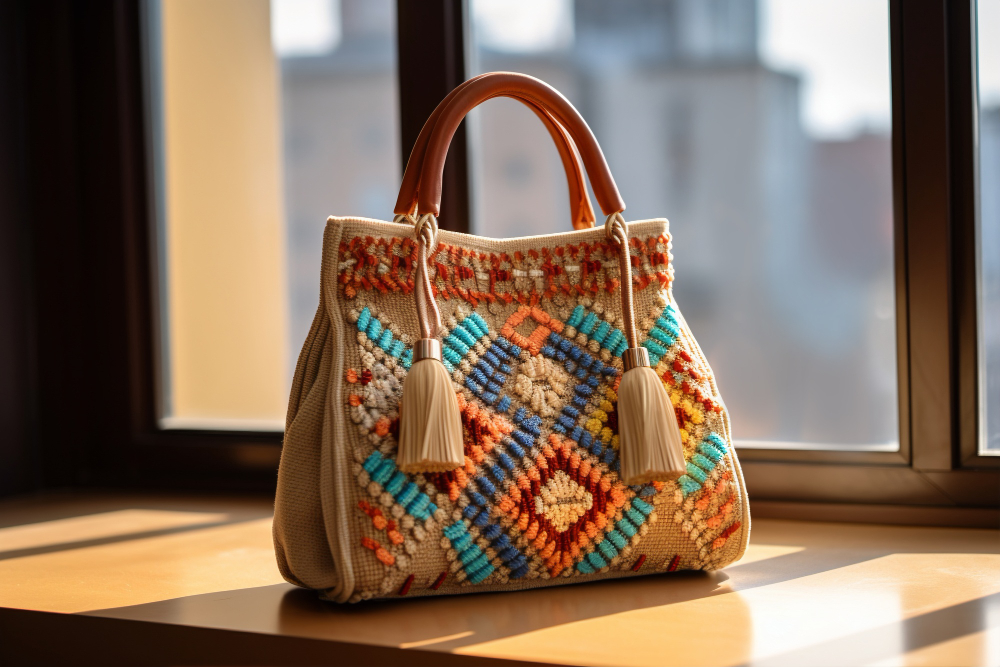
The Golden Fiber: Why Jute Deserves a Second Look From Global Buyers
Long before synthetic packaging took over, jute was one of the most widely traded natural fibers in the world. It’s often called the “golden fiber” — partly for its warm, natural sheen, and partly because of how much value it has generated for the regions that grow it.
India produces more jute than any other country, with output regularly exceeding 1.9 million tonnes a year, concentrated almost entirely in West Bengal, Assam, and Bihar. That scale matters for buyers: it means consistent raw material supply, established processing infrastructure, and generations of accumulated weaving and finishing expertise — not a fiber grown as a novelty crop.
What actually makes jute worth reconsidering:
- It’s fully biodegradable. Unlike synthetic packaging materials, jute breaks down naturally without leaving microplastic residue behind — a genuinely relevant point for buyers under growing pressure to document the environmental footprint of their packaging and product lines.
- It’s a renewable annual crop, not a resource under extraction pressure — new jute is grown and harvested every season.
- It’s close to zero-waste at the source. The fiber becomes yarn, fabric, and finished goods; the leftover woody core is used as domestic fuel and, in some regions, as a building material; even the plant’s leaves are eaten as a vegetable in parts of India.
- It’s genuinely strong. Jute’s tensile strength is high enough that it’s used in composite reinforcement applications in the automotive industry in parts of Europe — this isn’t a delicate decorative material, it’s a working fiber.
None of this means jute is a drop-in replacement for every application. It has real limitations — it’s less water-resistant than synthetic alternatives without treatment, and colorfastness varies by finishing process. A sourcing partner who’s upfront about those trade-offs, rather than glossing over them, is worth more than one who oversells the material.
If you’re evaluating jute as a packaging or product material for the first time, the questions worth asking any supplier are: Where is the fiber sourced, and is it traceable to a specific growing region? What finishing and treatment options are available for your specific use case (moisture resistance, dye consistency, food-grade handling)? And can you start with a sample or small trial order before committing to full container volumes?
We’re happy to walk through all three with you — reach out through our Request a Quote page and we’ll respond with real answers, not a generic catalog.