
The Many Benefits of Jute: A Sustainable Choice for a Greener Future
Jute, often known as the “golden fiber,” is one of nature’s most versatile and eco-friendly materials. Derived from the stalks of the jute plant, this natural fiber has been used for centuries to make ropes, sacks, mats, and handicrafts. Today, jute products are experiencing a global revival as more people and industries turn toward sustainable and biodegradable alternatives to plastic.
1. Environmentally Friendly and Biodegradable
One of the most remarkable features of jute is its 100% biodegradability. Unlike synthetic fibers that take hundreds of years to decompose, jute naturally breaks down within a few months, leaving no harmful residue behind. The cultivation of jute also has a minimal environmental footprint—it requires little fertilizer or pesticide and actually improves soil fertility by enriching it with organic matter after harvest.
2. Reducing Plastic Waste
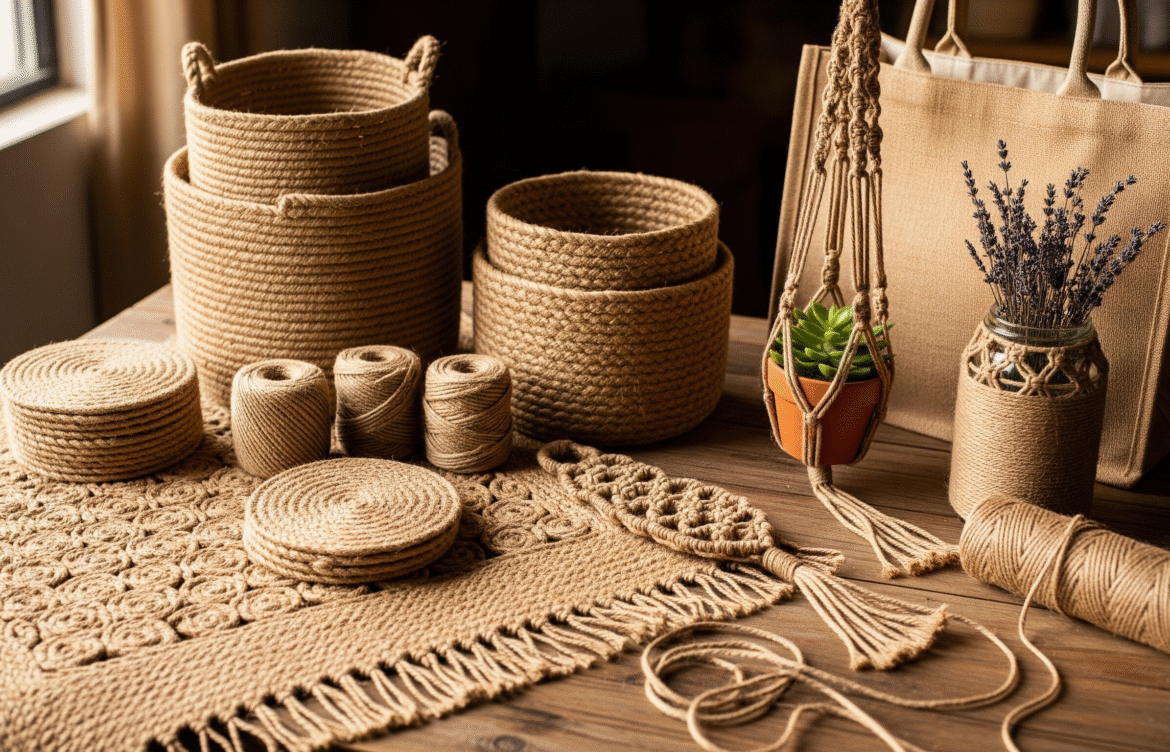
With rising awareness about plastic pollution, jute products such as shopping bags, packaging materials, and home décor items have become popular eco-friendly substitutes. Jute bags, in particular, are durable, stylish, and reusable, making them an excellent alternative to single-use plastic bags. Every jute product used helps reduce the amount of plastic waste entering landfills and oceans.
3. Durable and Versatile
Jute fibers are naturally strong, making them ideal for producing a wide range of goods—from fashion accessories and home furnishings to industrial packaging. The fabric’s texture and natural sheen give jute items a rustic yet elegant appeal. Designers increasingly use jute in modern lifestyle products such as carpets, lampshades, curtains, and even footwear.
4. Supporting Rural Economies
Jute cultivation and production provide livelihoods for millions of farmers and artisans, particularly in India and Bangladesh. By choosing jute products, consumers not only help the planet but also support rural communities and the preservation of traditional craftsmanship.
5. Breathable and Safe
Jute is a breathable material that doesn’t trap moisture, making it ideal for packaging agricultural products like grains and vegetables. Its natural composition also ensures that it does not emit toxic fumes, unlike some synthetic materials.
Conclusion
In a world striving for sustainability, jute stands out as a natural hero—renewable, biodegradable, and beautifully adaptable. Whether it’s a simple shopping bag or a piece of home décor, every jute product represents a step toward a cleaner, greener planet. By embracing jute, we make a conscious choice to protect our environment and promote a sustainable future for generations to come.