
The Power of Jute: Why This Natural Fiber Matters More Than Ever
As the world looks for ways to reduce pollution and promote sustainability, jute has emerged as one of the most valuable natural fibers of our time. Known for its golden color and silky texture, jute offers endless possibilities — from eco-friendly packaging to fashionable home décor. Its usefulness and environmental benefits make it a smart choice for both consumers and industries.
1. What Makes Jute Special
Jute is a natural fiber obtained from the stem of the jute plant. It grows quickly in warm, humid climates and needs very little care. Unlike synthetic fibers, jute does not require chemical fertilizers or pesticides, making it safe for the environment. The plant also improves soil quality and absorbs carbon dioxide, contributing to cleaner air and better soil health.
2. Everyday Uses of Jute Products
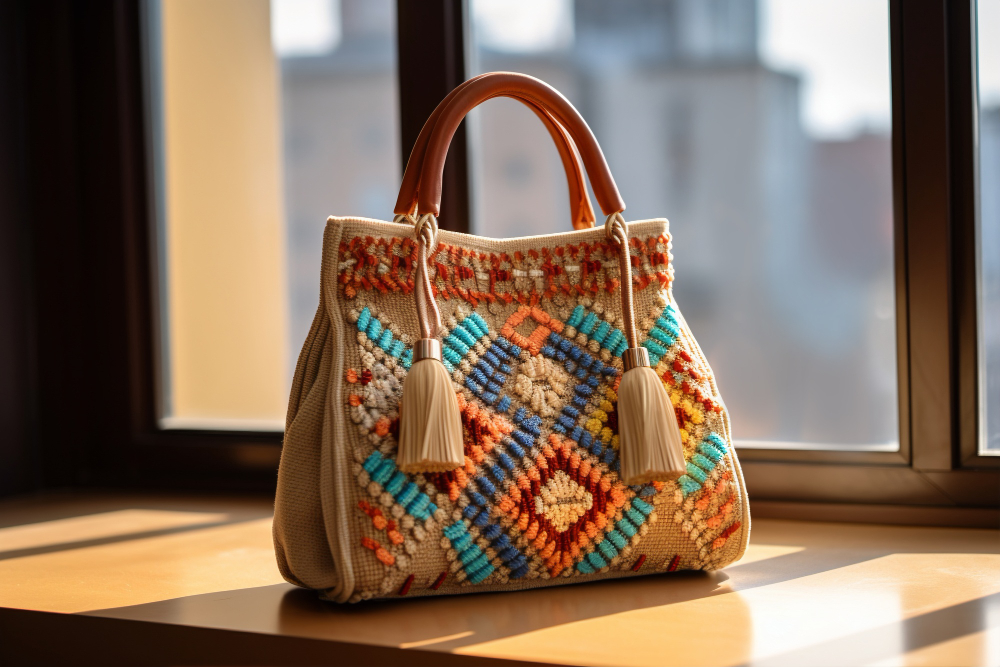
Jute products are versatile and found in many aspects of daily life. Jute shopping bags are sturdy, reusable, and perfect for reducing plastic waste. Jute rugs, mats, and curtains give homes a warm, natural look. Businesses also use jute packaging for food, gifts, and promotional products because it’s attractive and eco-conscious. Even in agriculture, jute helps in making ropes, sacks, and protective coverings.
3. Strong, Durable, and Cost-Effective
One of the main advantages of jute is its strength and durability. Despite being lightweight, jute fibers are strong enough to carry heavy loads, making them ideal for shopping bags and packaging materials. They are also affordable compared to many synthetic alternatives, offering great value for both households and industries.
4. Supporting a Sustainable Economy
Jute farming and production create employment for millions of farmers and artisans, especially in countries like India and Bangladesh. By buying jute products, consumers help support rural livelihoods and encourage the growth of environmentally responsible businesses.
5. Protecting the Planet
Choosing jute means choosing sustainability. Jute products are biodegradable and compostable, meaning they break down naturally without polluting the environment. Every jute item used replaces a plastic one — a small but powerful step toward a cleaner, healthier planet.
Conclusion
In a time when the world is moving toward green living, jute stands as a symbol of natural strength and sustainability. Its wide range of uses, environmental benefits, and role in supporting communities make it one of the best choices for a better future. Whether it’s a simple bag or a decorative piece, every jute product carries the promise of a greener tomorrow.